

Chimney sweeping: how often should it actually be done?
A well-maintained chimney is essential for the safety and efficiency of your home. But how often to sweep a chimney? This question is often asked by homeowners with a fireplace, wood stove or gas stove. In this article, we dive deep into the world of chimney maintenance, we discuss the recommended frequency, legal obligations and give practical tips for engaging a professional chimney sweep.
Why is it important to have your chimney swept regularly?
A dirty or blocked chimney can have serious consequences. For example:
- Chimney fire: Accumulation of creosote (a flammable tar-like substance) increases the risk of fire.
- Carbon monoxide poisoning: Poor draft can lead to backflow of flue gases into the house.
- Reduced efficiency: A dirty chimney reduces the heat output of your fireplace or stove.
Regular chimney cleaning prevents these problems and also extends the life of your heating system.
How often should you sweep a chimney?
The frequency depends on several factors, such as the type of fuel, intensity of use and the type of fireplace or stove. Here are general guidelines:
1. Wood-burning fireplaces and stoves
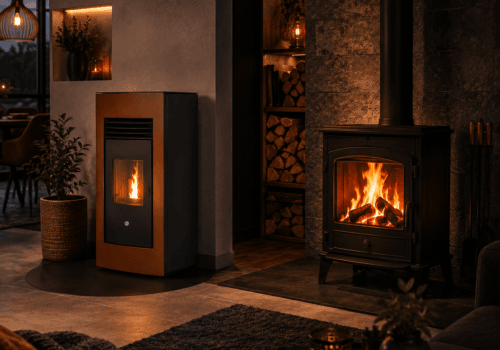
For intensive use (more than three times a week), it is recommended that the have chimney swept at least twice a year. For less frequent use, once a year is usually sufficient.
2. Gas stoves
Although gas burns cleaner than wood, soot or bird nests can occur here too. Leave the Check chimney at least once a year and clean if necessary.
3. Oil-fired plants
Annual inspection and cleaning is also recommended for oil-fired systems.
4. Pellet stoves
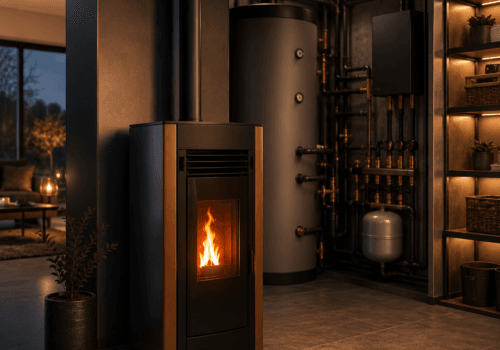
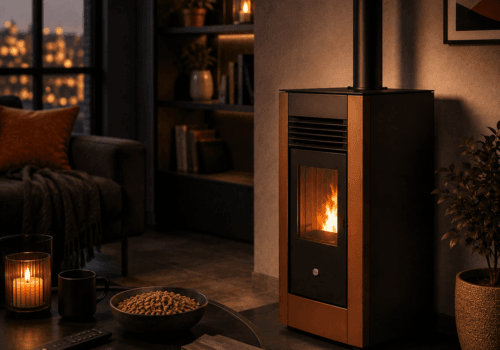
These modern stoves have their own drainage system that requires regular maintenance. Consult the manufacturer's manual for specific guidelines, but usually applies: sweep chimney at least once a year.
Legal obligations in the Netherlands
In the Netherlands, there is no national law prescribing how often you have to have a chimney swept. Yet there are situations where it is compulsory:
- Insurance requirements: Many insurers require you to provide proof of a professional sweep annually.
- Municipal regulations: Some municipalities set rules for environmental impact or safety.
- Professional operation: In catering or rental establishments, regular maintenance is required by the Occupational Health and Safety Act or fire safety regulations.
So always make sure you are aware of local rules as well as your insurer's requirements.
Do chimney sweep yourself or outsource?
Some people choose to clean their chimney themselves. While this is possible with special brushes and kits, there are risks involved:
- Hazards at height
- Difficulty of thorough cleaning
- No official swipe card for insurance
Hiring a professional chimney sweep is therefore highly recommended. They have the right equipment, experience and can issue an official certificate.
Cost of a professional chimney sweep
The cost of having a chimney swept varies between €60 and €120 per sweep, depending on:
- Type of installation (wood, gas, oil)
- Number of metres of channel
- Level of difficulty (e.g. accessibility roof)
Some companies also offer subscriptions for periodic maintenance at reduced rates.
Timing: when is best to have your chimney swept?
Spring or summer are ideal for having your chimney cleaned. This way, you will be well prepared for the heating season in autumn and winter. Moreover, waiting times with tradesmen are usually shorter then.
Considerations when choosing a chimney sweep
- Choose a tradesman affiliated to a recognised trade association such as ASPB (General Chimney Sweepers' Association)
- Ask for references or reviews online
- Get written proof after each sweep (for insurance purposes)
Chimney tips for optimal maintenance between sweeps
- Only burn dry wood with low resin content (such as beech or oak)
- Avoid wet wood or waste wood (such as painted wood)
- Ensure adequate ventilation in the room where the fire is lit
- Place a spark arrestor on the chimney cowl against bird nests and leaves
- Also have annual flue checks for cracks or leaks
Chimney certificate: what is it and why do you need it?
After a recognised professional has cleaned your duct, you will usually receive an official sweeping certificate or certificate. This document states:
- Date of cleaning
- Situation encountered (e.g. amount of soot/creosote)
- Recommendations for follow-up maintenance
Such proof is crucial in claims after fire - without a certificate, your insurance may refuse to pay out!
Coherence with energy saving and environmental impact
Clearly maintained flues not only ensure safety but also contribute to reduced emissions and better efficiency.
- Reduced particulate emissions through more efficient combustion
- Less heat loss through flue gases thanks to optimum draught
- Lower fuel consumption = lower energy costs!
Chimney sweeping in flats or rental properties?
Residents of flats with shared flues should be extra vigilant. In many cases, the VvE is responsible for periodic maintenance. Tenants should contact their landlord about who is responsible for maintenance.
Updating existing content? Pay attention to this!
- Keep regulatory information up to date (e.g. changes in insurance conditions)
- Post recent figures on house fires caused by poor maintenance (source: Fire Brigade Netherlands)
- Update links to external sources annually to avoid dead links
Frequently asked questions on "Chimney sweeping: how often?"
- How often should I have my chimney swept if I fire daily?
- Twice a year is recommended for intensive use with wood or coal stoves.
- Do I get a discount if I have multiple sweeps per year?
- Some companies offer subscriptions where multiple sweeps are cheaper than single appointments.
- Is there any difference between gas and wood-fired plants in terms of maintenance?
- Sure! Wood causes more sooty deposits than gas, so more frequent cleaning is needed with wood burning.
- Can I lose my insurance if I do not have my chimney serviced?
- For damage caused by negligent maintenance, an insurer may refuse to pay out if there is no proof of cleaning.
- Is there a guarantee on the work of a professional chimney sweep?
- Real professionals guarantee their work and always provide written proof after cleaning.
Conclusion: prevent risks with regular maintenance!
One thing is certain: those who maintain their chimneys properly prevent misery and save money in the long run. Whether you are a daily stoker or only enjoy a crackling fire once in a while - have your chimney inspected at least once a year by a recognised professional. That way you stay warm and safe!