


How to recognise good quality pellets | Complete Guide to Pellet Quality
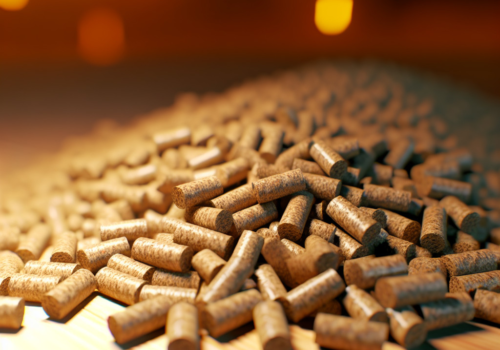
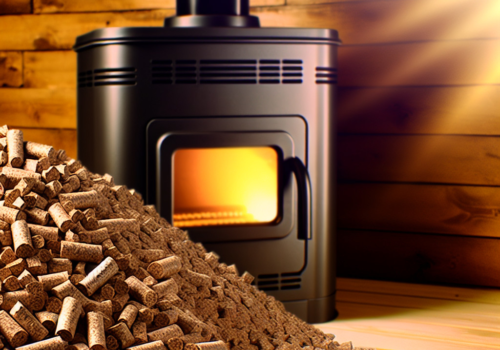
Pellets are becoming increasingly popular as a sustainable fuel for pellet stoves and biomass boilers. But how do you know if you are dealing with good quality pellets? In this comprehensive guide, we explain what to look out for when buying wood pellets, which labels are important, and how you can judge the quality yourself. This will help you avoid problems such as a dirty stove, poor combustion or excessive ash.
What are wood pellets?
Wood pellets are small cylindrical sticks made from compressed sawdust and wood waste. They are used as fuel in pellet stoves and biomass boilers because of their high energy density and low moisture content. The popularity of pellets is growing because of their environmental friendliness and economic advantages over fossil fuels.
Why is pellet quality important?
Poor quality pellets can lead to:
- Incomplete combustion, resulting in less heat output.
- More ash formation, requiring your stove to be cleaned more often.
- Deposits in the stove, which shortens the life of the device.
- Higher emissions, which is bad for the environment as well as your health.
So it is crucial to know how to high-quality pellets can recognise.
Labels for wood pellets: what to look out for?
One of the first things to look at when assessing pellet quality are the official labels. These guarantee that the pellets meet certain quality standards.
1. ENplus mark
ENplus is the most well-known and reliable quality mark for wood pellets in Europe. The seal has three quality classes:
- ENplus A1: Highest quality, suitable for domestic use.
- ENplus A2: Slightly lower quality, often used in larger installations.
- EN-B: Industrial pellets with lower requirements.
Preferably, always choose ENplus A1 pellets, especially if you use a pellet stove in your home.
2. DINplus seal
DINplus is a German seal similar to ENplus A1. It sets high standards including:
- Energy content (calorific value)
- Low ash formation (maximum 0.5%)
- Low humidity (maximum 10%)
- Without chemical additives or adhesives
Pallets with both ENplus and DINplus offer additional assurance of quality.
Quality characteristics of good pellets
Beyond labels, there are also visual and physical characteristics you can use to judge for yourself whether pellets are of good quality.
Colour and fragrance
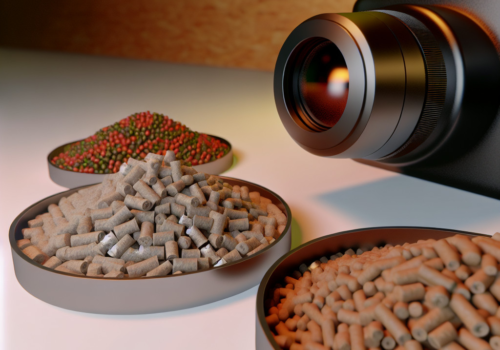
- Light colour: Good pellets are light brown to beige. Dark pellets may indicate bark or contamination.
- Natural fragrance: They should smell like fresh wood, not glue or chemicals.
Density and hardness
- Dense structure: High density means more energy per unit volume.
- Breaking strength: Do they break easily? Then the pressing has been poor or moisture has penetrated.
Low dust formation (fine dust)
Look at the bottom of the bag: is there a lot of dust? Then the pellets are probably of inferior quality. Well-pressed pellets produce little dust during transport or storage.
Low ash residue after combustion
Quality pellets leave little ash behind (<0.5%). This means less cleaning work and more efficient combustion.
Energy content: how much heat do they provide?
One of the most important factors is calorific value (energy content). Good quality wood pellets have a calorific value between 4.8 and 5.3 kWh/kg. The higher this value, the more efficiently they burn and the more heat they provide per kilogram.
Moisture content: crucial for combustion efficiency
Pellets with high moisture content burn worse and produce more smoke and soot. Good pellets have a moisture content below the 10%. You can check this with a moisture meter or ask the supplier.
Choosing a pallet supplier: what to look out for?
Always choose a reliable supplier with transparent information on origin, production process and certification. Ask for example:
- Certification marks such as ENplus or DINplus
- Origin of wood (preferably FSC or PEFC certified)
- Transport and storage conditions (stored dry?)
Well-known suppliers in the Netherlands include:
- Pellet suppliers Netherlands overview page
- Ecostook.nl (sustainable energy products)
- Bioenergie.nl (biomass experts)
Pallet prices: cheap is often expensive
Low prices can be tempting, but cheap pellets are often less well pressed, contain more bark or impurities and provide less energy. The price per kilo does not say everything - look especially at price per kWh of heat!
Testing pallets: this is how you do it yourself!
Fancy testing yourself whether your pellets meet high standards? Here are some simple test methods:
Float test (water glass test)
- Place a pellet in a glass of water.
- Does it sink quickly? Then it is well pressed (higher density).
- Does it float? Then it contains air or is badly compressed - low density = low energy content.
Lubrication test (finger friction)
- Does it leave a lot of dust behind? Then it contains a lot of fine dust = poor press quality.
Sustainability & origin of wood pellets
Always choose sustainably produced pellets from residual wood from local sawmills. Look out for FSC or PEFC certification to make sure the wood comes from responsibly managed forests. Avoid tropical hardwood or unknown countries of origin without certification.
Avoiding common mistakes when buying pellets
- Purchase without hallmark check: Always check for ENplus/DINplus certification!
- Poor storage: Store pallets dry to prevent moisture absorption.
- Purchases through unknown webshops: Check reviews & reliability first!
- Choosing based on price alone: Look at price per kWh, not per bag!
Smart tips when buying quality wood pellets
- Always check batch numbers on bags - this indicates traceability.
- Store bags indoors or under cover to avoid moisture problems.
- Request sample bags from new suppliers to test first!
Timely maintenance extends lifespan of pellet stove and increases efficiency!
Make sure your pellet stove is cleaned regularly and serviced annually by a professional. Even with top-quality pellets, deposits can form that reduce efficiency if maintenance is skipped. So don't just use good fuel - take good care of your appliance too!
FAQ - Frequently asked questions on recognising good quality pellets
- What are the best wood pellets?
- The best wood pellets have the ENplus A1 label, are low in ash (4.8 kWh/kg) and are made from pure softwood with no additives.
- How do I know if my pellets are burning properly?
- Good combustion can be recognised by a clear flame, little smoke development and minimal ash formation. Also, the stove's glass window stays cleaner longer with quality pellets.
- Are dark pellets worse than light ones?
- Not necessarily, but dark colour may indicate the presence of bark or other contaminants that lead to more ash formation and poorer burning. Light colour usually indicates pure softwood without bark.
- What does a tonne of good quality pellets cost?
- The price varies between €300-€450 per tonne depending on season, supplier and certification. Pay particular attention to price per kWh heat output rather than just kilogram price!
- Where can I buy certified ENplus pellets?
- You can buy certified ENplus A1 pellets from approved suppliers such as Ecostook.nl, Bioenergie.nl or through specialised DIY stores such as Gamma or Praxis that offer certified brands.