

What is the best way to store wood briquettes? | Complete guide to optimal storage
Wood briquettes are a popular and environmentally friendly fuel for stoves and fireplaces. They are efficient, clean and easy to use. But to make the most of their heat capacity, it is essential that you store them properly. In this article, you will discover how best to store wood briquettes, which mistakes to avoid and which storage methods are most effective.
Why is correct storage of wood briquettes important?
Wood briquettes are pressed blocks of sawdust or wood residues. Due to their low moisture content, they burn more efficiently than traditional firewood. But that low moisture content also makes them susceptible to moisture absorption from the environment. When briquettes get wet:
- Do they lose their calorific value
- Can they fall apart or mould
- Does smoke or creosote form in the chimney
Proper storage prevents these problems and ensures that your briquettes remain usable for years.
What are the best conditions for storing wood briquettes?
The ideal conditions for storing wood briquettes are:
- Drought: Wood briquettes need to stay absolutely dry.
- Good ventilation: Prevents condensation and mould.
- Protection against direct contact with the ground: Avoid rising damp.
- Protection against rain and snow: Outdoor storage requires extra protection.
Indoor vs outdoor: where best to store briquettes?
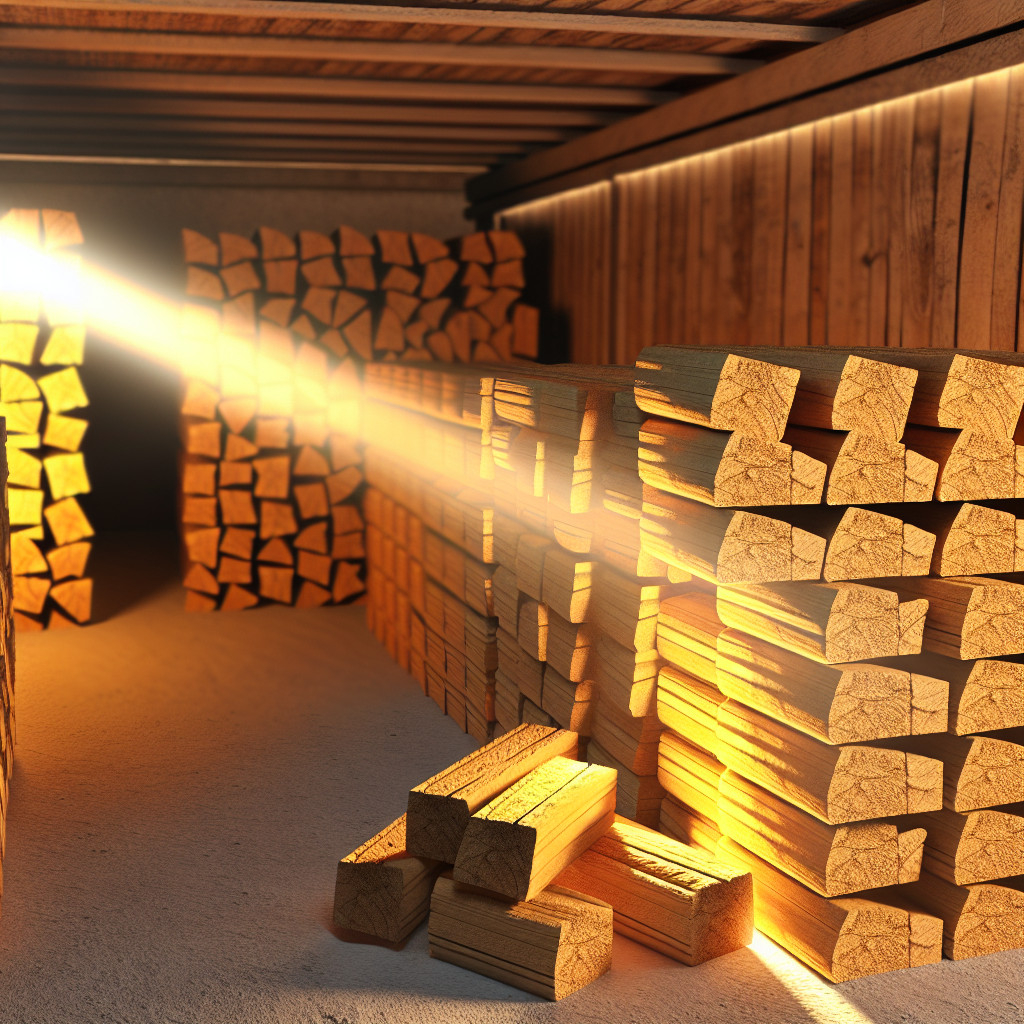
Indoor storage, such as in a garage, cellar or garden shed, is preferable as it gives you control over temperature and humidity. Be aware that some basements can be damp; in that case, place briquettes on a pallet or rack.
Outdoor storage can also be done, if properly protected. Use a waterproof cover or container and ensure adequate ventilation to avoid condensation.
Top 7 tips for optimum storage of wood briquettes
- Place briquettes on a pallet or wooden rack: This prevents direct contact with the floor and rising damp.
- Use breathable covers or tarpaulins: Avoid plastic film that does not allow air to pass through; this can cause condensation.
- Store briquettes in original packaging: Packaging is often designed to keep moisture out.
- Ensure adequate ventilation: Especially in indoor storage, air circulation is essential against mould growth.
- Do not place briquettes against cold outside walls: This can cause condensation with temperature differences.
- Do not store them in humid areas such as poorly ventilated basements: Rather, choose a dry attic or garage.
- Look regularly for signs of moisture or mould: Early detection prevents greater damage.
What storage materials can you use?
Various materials are suitable for storing wood briquettes. Below is an overview with advantages and disadvantages:
| Storage equipment | Advantages | Cons |
|---|---|---|
| Pallets + tarpaulin | Cost-efficient, good ventilation possible | Less protection in heavy rain/snow |
| Plastic storage boxes (with ventilation holes) | Durable, protects well against water | Chance of condensation without ventilation |
| Garden sheds/garage sheds | Dry & sheltered, easy access | Possibly limited in terms of space & ventilation |
| Attic space (dry) | Very dry, weatherproof | More difficult to access with large quantities |
Common mistakes when storing wood briquettes
Make sure you avoid these common mistakes when storing your briquettes:
- Store in plastic bags without ventilation: This causes condensation and mould.
- Placed directly on concrete floor: Concrete attracts moisture, causing briquettes to get wet.
- Leave in open air without cover: Rain makes briquettes unusable.
- Store indoors in unheated rooms without air circulation: Chance of mould growth due to stagnant air.
Can wet wood briquettes still be used?
Wet briquettes lose their structure and burning capacity. In some cases, you can dry slightly damp briquettes by putting them in a warm, dry room for a few days. But completely wet or mouldy ones should be discarded. Never use mouldy briquettes in a stove: this can release harmful substances when burning.
Sustainable alternatives for storage: think of the future!
Sustainability also plays a role in storage. Consider reusable wooden crates or metal shelving that will last for years. Smart solutions such as modular storage cabinets with ventilation systems are also gaining popularity among environmentally conscious users.
Internal links that can help you further:
- What exactly are wood briquettes?
- Wood briquettes vs traditional firewood: which is better?
- Sustainable firing with wood briquettes: tips & tricks
Useful external sources on storage and sustainability:
- Milieu Centraal - Burning wood: sustainable or not?
- Fire brigade of the Netherlands - Safe heating in the home
Frequently asked questions on storing wood briquettes (FAQ)
1. Can wood briquettes be stored outdoors?
Sure, but only if they are well protected from rain and moisture. Use a waterproof cover and provide ventilation to prevent condensation.
2. How long do wood briquettes stay good if I store them correctly?
Provided they are stored dry, briquettes can last for years without losing quality.
3. Can I store wood briquettes in my cellar?
Only if the cellar is well ventilated and dry. Always place them on a pallet to avoid contact with the floor.
4. What do I do if my briquettes have become damp?
Slightly damp briquettes you can try drying in a warm room. Are they mouldy or falling apart? Then it's better to throw them away.
5. Is there any difference between RUF briquettes and Pini Kay in terms of storage?
No, both types need to be stored under the same dry conditions to maintain their quality.