

What if my pellets jam or don't burn properly?
A pellet stove is a popular, sustainable heating solution increasingly used in Dutch and Belgian households. But what if you find that the pellets jamming Whether the flame burns badly? In this article, we explain what the possible causes are, how to solve these problems and how to prevent them. We also provide practical tips for maintaining your pellet stove.
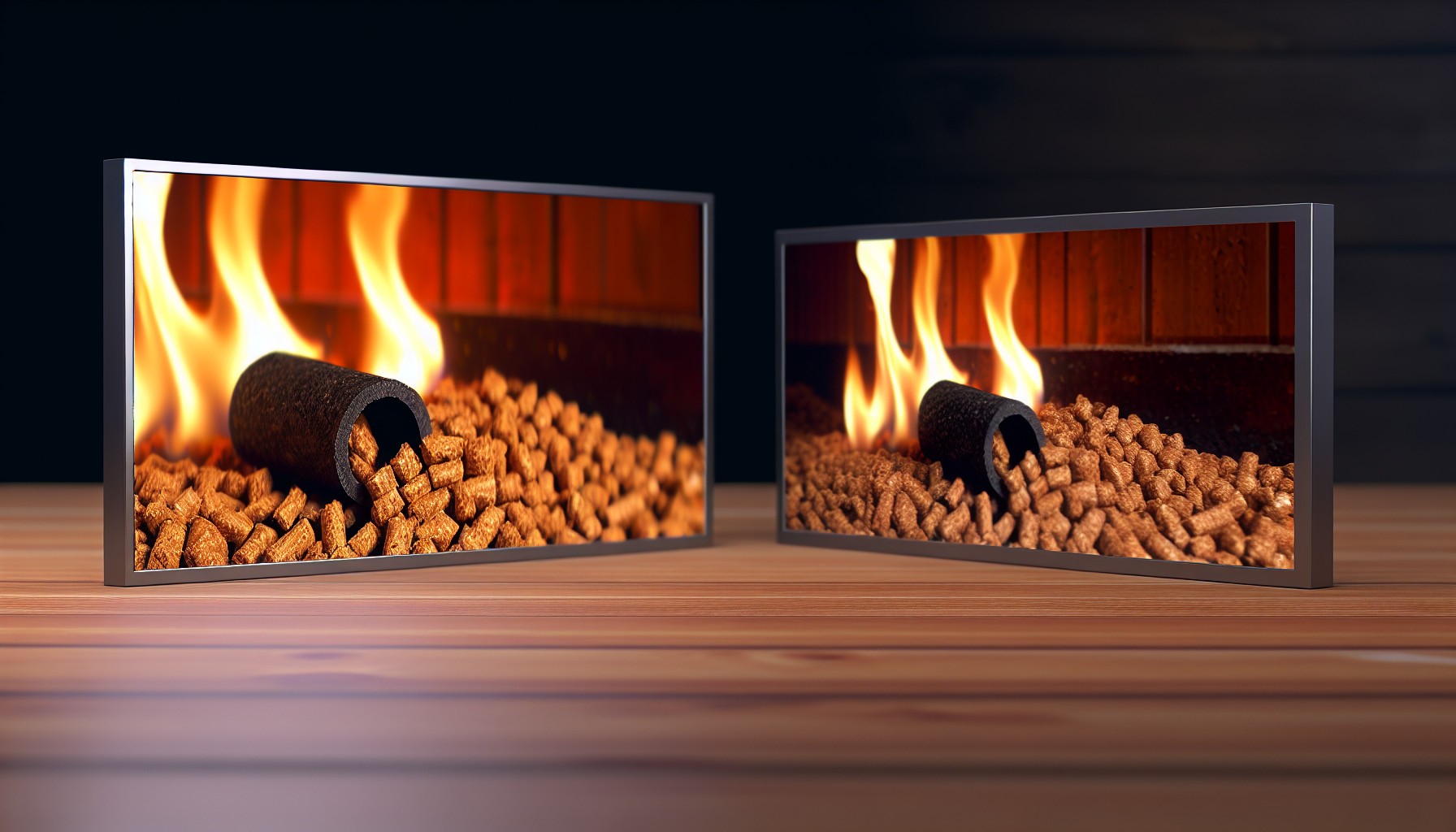
Why are my pellets not burning properly?
When you find that you pellet stove burns badly, this can have several causes. Poor combustion leads to inefficient heat output, increased smoke production and even damage to your appliance.
Common causes of poor combustion
- Poor quality pellets: Cheap or damp pellets cause incomplete combustion.
- Blocked air supply: Contamination in the air ducts hinders oxygen supply.
- Incorrect settings: An incorrectly set supply of air or pellets can lead to incomplete combustion.
- Poor flue draft: Poor flue gas removal adversely affects operation.
What causes pellet jamming?
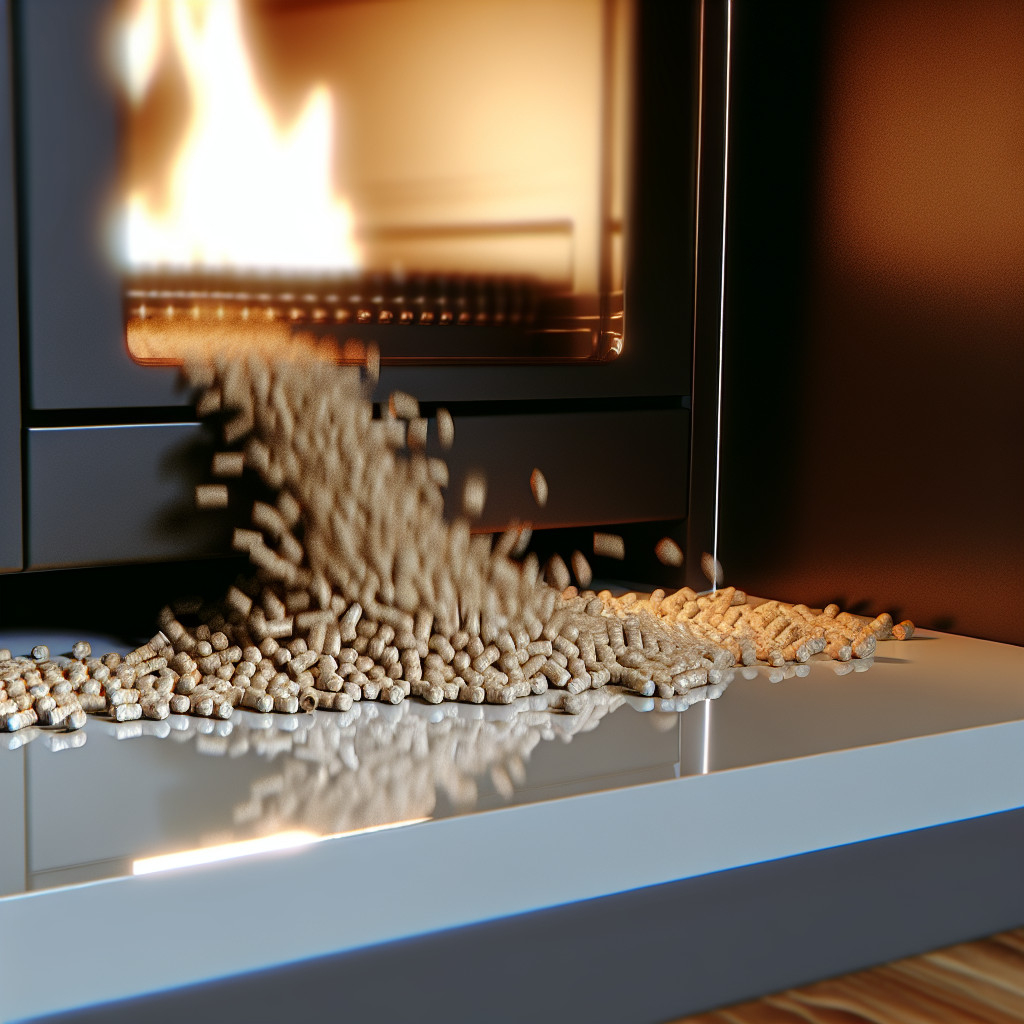
Pellets jamming in the feed screw or drop tube can lead to malfunctions or even damage to your stove. This problem is more common than you think and is usually due to mechanical or material faults.
Possible causes of jammed pellets
- Poor pellet quality: Pellets that are too long, broken or dusty can cause blockages.
- Poor maintenance: Accumulation of dust and ash in the supply channels hinders passage.
- Mechanical failure: Worn motors, bearings or screws can cause hiccups.
- Wet pellets: Moist pellets expand and can clump together in the feed.
How do I recognise bad burning?
Sometimes it is not immediately obvious that something is wrong with your pellet stove. Pay attention to the following signs that indicate a problem with combustion:
- Black smoke from the chimney
- Presence of soot in the glass window
- Low, yellow flames instead of bright, dancing flames
- Considerable amount of unburnt residue in the ash pan
Solutions for badly burning or jammed pellets
Naturally, you want a quick fix if you notice that your pellet stove is not functioning as it should. Here are some effective measures you can take:
Choose high-quality pellets
Always choose certified pellets with the ENplus A1 mark. These contain less dust (fines) and have a low moisture content, which ensures better combustion and less chance of clogging.
Cleaning and maintenance of the pellet stove
Ensure regular maintenance of your pellet stove:
- Daily: Empty the ash drawer and clean the glass window.
- Weekly: Clean the burner pot and check the air supply vents.
- Monthly: Vacuum the feed screw (if possible) and check for accumulation of dust.
- Annual: Have a professional service carried out by an approved installer.
Checking and adjusting air supply
Ensure that the primary and secondary air supplies are set correctly. Too little air leads to incomplete combustion; too much air can cause heat to dissipate too quickly. Always consult the manual of your specific model for this or contact a specialist.
Chimney sweep
Poor draft due to a dirty chimney is a common cause of problems with pellet burning. Have your chimney professionally cleaned at least once a year to ensure optimal operation.
Check pellet supply for blockages
Is something stuck in the feed screw or drop tube? If so, first switch off the stove and let it cool down completely before trying to remove any blockages manually. Never use sharp objects that can cause damage to mechanical parts.
Troubleshooting: what to do with specific error messages?
Some modern pellet stoves display error codes when they malfunction. Some common messages are:
- Error A01 - No ignition: Check ignition candle and air supply.
- Error A03 - Poor smoke discharge: Have the flue checked for blockages.
- Error A05 - Temperature too high: Possible problem with fan or heat exchanger.
Always check the manual for specific fault codes by brand such as MCZ, Edilkamin, Ravelli or Nordic Fire.
Tips to avoid problems with pellet combustion
- Store pellets dry: Use airtight containers to prevent moisture absorption.
- Choose quality pellets: Avoid cheap bulk pellets without a label.
- Put regular maintenance on your agenda: Prevention is better than cure!
- Ensure correct installation by recognised professionals.
Sustainability and safety go hand in hand
One of the biggest advantages of a pellet stove is durability. But this advantage is lost if the appliance does not function optimally. A poorly functioning stove emits more particulate matter, consumes more energy and increases the risk of CO poisoning. Regular maintenance therefore contributes not only to comfort, but also to safety and environmental impact.
Save costs through timely maintenance
Simple actions such as cleaning the burner pot or replacing worn gaskets can prevent expensive repairs. By taking timely action on signals such as smoke development, strange noises or error messages, you prevent greater damage to components such as fans, circuit boards or motors.
Also think about software updates!
Some modern pellet stoves have smart software connected to apps via WiFi. Check regularly through the manufacturer (such as MCZ Connect) for firmware updates that improve performance or fix bugs.
Conclusion: let your pellet stove perform optimally!
"What if my pellets get stuck or don't burn properly?": The answer usually lies in a combination of correct settings, quality fuel and regular maintenance. By paying attention to these factors, you not only increase the efficiency, but also extend the life of your appliance and contribute to a more sustainable household.
Frequently asked questions (FAQ)
How do I know if my pellets are of good quality?
Look for certifications such as ENplus A1. Good pellets have little dust (duste content <1%) and low moisture content (<10%). They do not break down quickly when handled.
Can wet pellets still be used?
No. Wet pellets expand, clump together and can lead to blockages as well as poor combustion. Throw them away if they have become damp during storage.
How often should I clean my pellet stove?
Minor cleaning daily (ash pan), more thorough cleaning weekly (burner pot) and annual professional maintenance are recommended guidelines for optimal operation.
Can all types of wood pellets be used?
Preferably use only certified wood pellets without the addition of glues or bark residues. Pellets made from pure softwood usually have better combustion values than hardwood variants.
Does bad appetite always cause bad combustion?
Not always, but poor draught does have a significant impact on how efficiently flue gases are extracted and how much oxygen is available for combustion. You should therefore have your chimney sweeping by a professional.
Recommended external sources (manual check recommended):
- ENplus Pellets Certification "
- Milieu Centraal about Pellet stoves "
- Fire Brigade Netherlands: Smoke ducts & Safety "