

What is the difference between white and brown pellets?
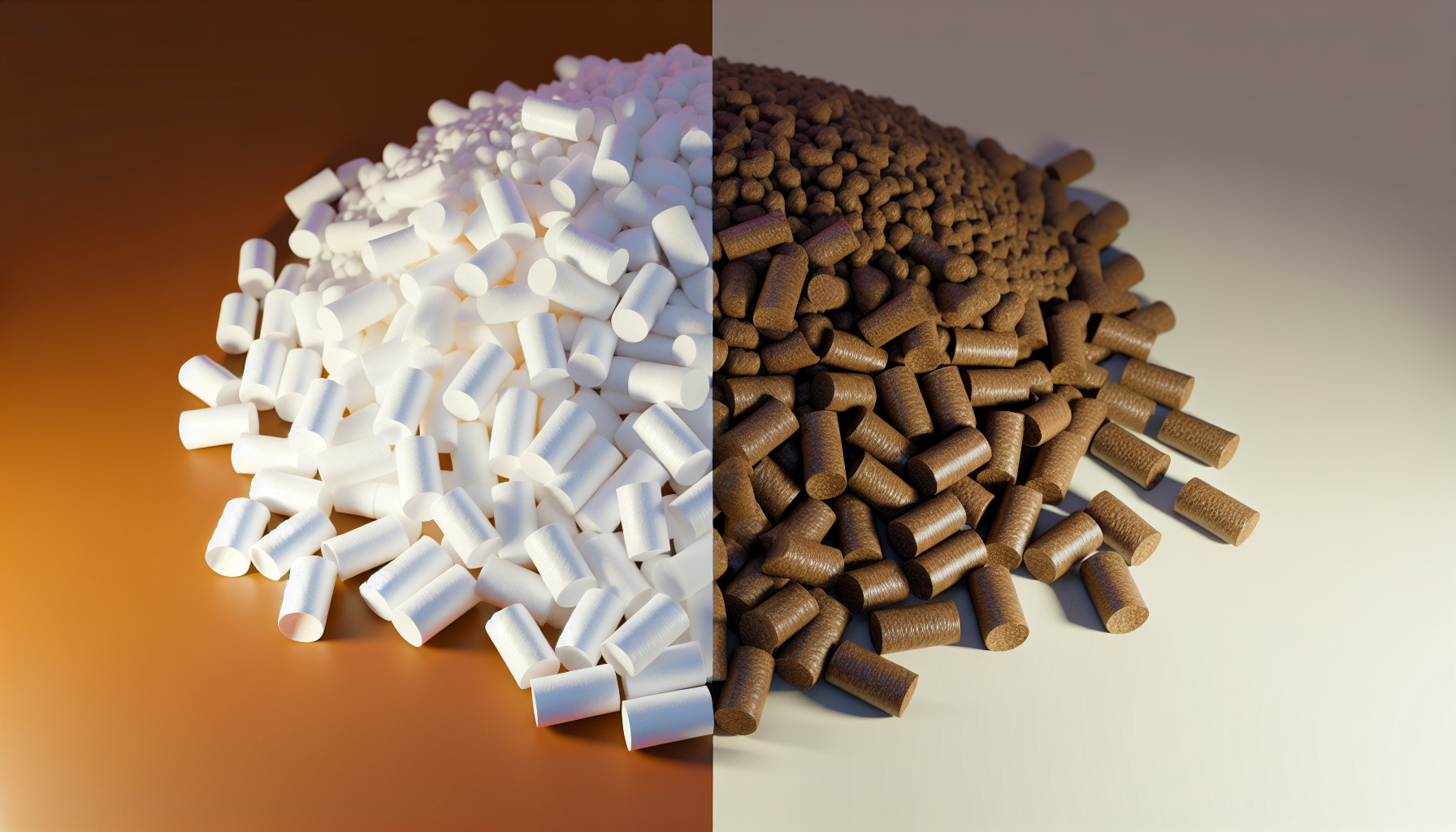
Pellet stoves have become hugely popular in recent years as a sustainable heating solution. A common question among users is: what is the difference between white and brown pellets? Although both types are used as fuel for pellet stoves, there are clear differences in composition, combustion efficiency, environmental impact and price. In this article, we dive deep into the world of wood pellets to help you make the best choice for your situation.
What are wood pellets?
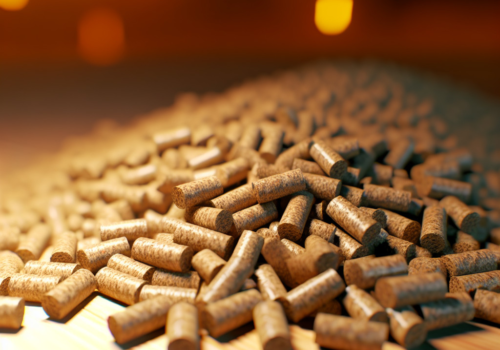
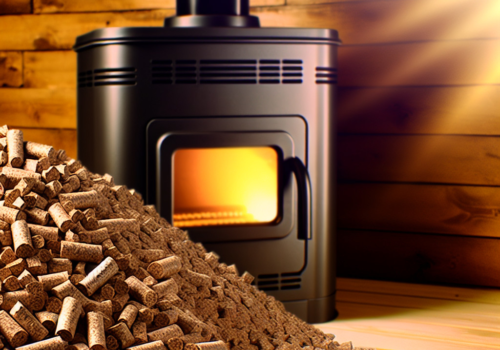
Wood pellets are small cylindrical pellets produced from compressed wood waste such as sawdust and wood chips. They serve as fuel for pellet stoves and biomass boilers. Their high energy density and low moisture content make them an efficient and environmentally friendly heating source.
Why choose wood pellets?
- Sustainable alternative for fossil fuels
- Low CO₂ emissions upon combustion
- Cost-effective compared to gas or fuel oil
- Easy to store and automatically dosable in modern pellet stoves
White versus brown pellets: the fundamental difference
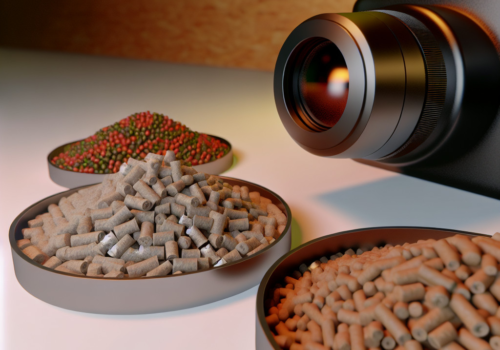
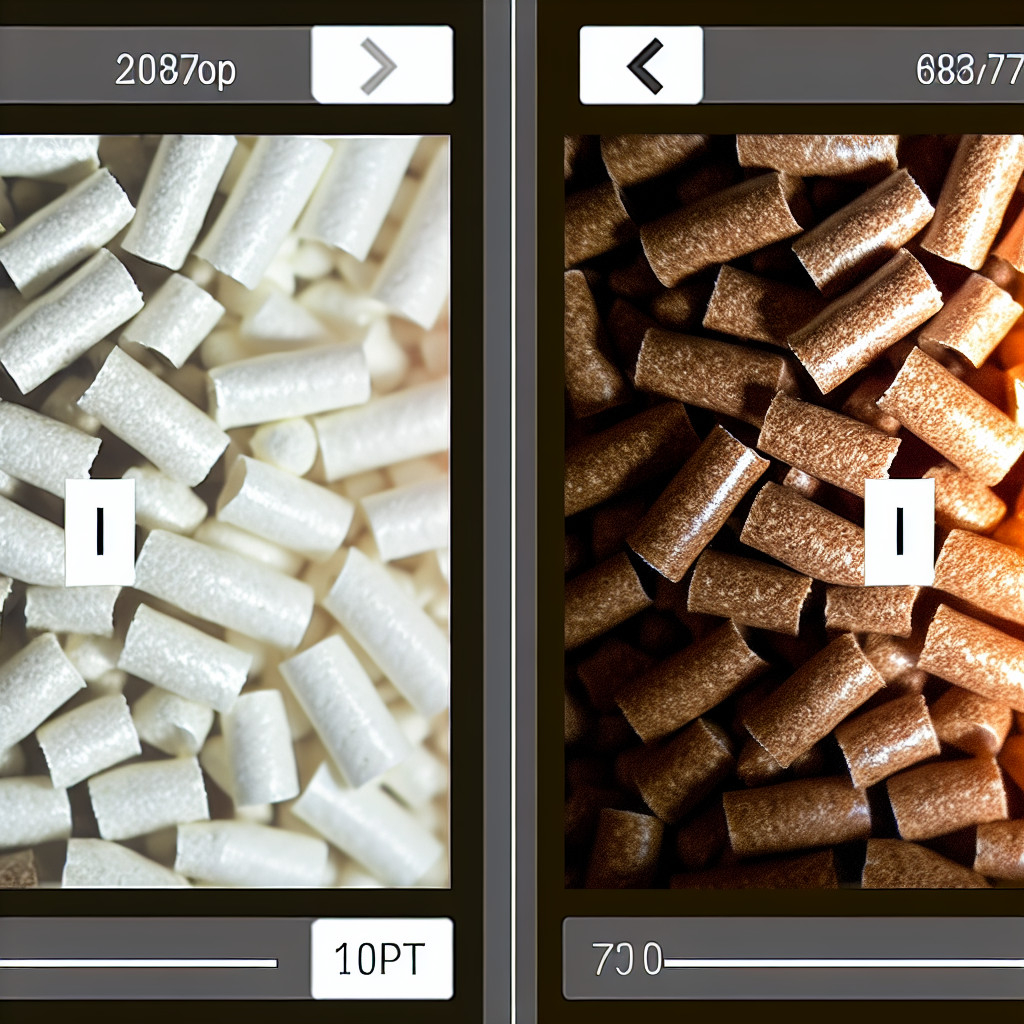
The biggest difference between white pellets and brown pellets is in the raw material and the production process. These factors influence colour, calorific value, ash content and smoke production, among others.
Composition of white pellets
White wood pellets are usually made of pure softwood without bark. This means they are low in resins and have a low ash content. The lighter colour is because there is no dark bark or hardwood in them.
Characteristics of white pellets:
- Light colour (white to pale yellow)
- Lower ash content (less than 0.5%)
- Higher calorific value (average 5 kWh/kg)
- Less smoke
- Slightly more expensive to buy
Composition of brown pellets
Brown pellets, also called industrial or agropellets, often contain bark or hardwood. As a result, they are darker in colour and have a higher ash content. They are also sometimes made from agricultural waste such as straw or olive stones.
Characteristics of brown pellets:
- Dark brown to black in colour
- Higher ash content (up to 2%)
- Lower calorific value (average 4-4.5 kWh/kg)
- Chance of increased smoke and odour generation
- Cheaper than white pellets
Combustion efficiency: which pellet delivers more heat?
White pellets burn more efficiently than brown pellets. Thanks to their lower moisture content (often less than 8%) and higher energy density, they deliver more heat per kilogram. This means you need fewer white pellets to heat the same space as with brown variants.
Moreover, white wood pellets produce less ash deposits in your stove or boiler, leading to less maintenance and longer life of your appliance.
Ash care and maintenance of your pellet stove
Ashouding plays a crucial role in maintaining your pellet stove. Brown pellets produce more ash due to the presence of bark or other organic residues. This means you need to empty the ash drawer more often and clean your stove.
Some modern pellet stoves have automatic cleaning systems that work better with white premium pellets because of their consistency and low fouling.
Sustainability and environmental impact: which choice is greener?
Both white and brown wood pellets can be sustainable - provided they come from responsibly managed forests or certified sources such as FSC or PEFC. However:
- White pellets typically have lower emissions when burned.
- Usability of waste materials in brown pellets reduces wastage.
- RVO Netherlands recognises both types as renewable energy sources*.
In short: both types can be sustainable, but the total environmental impact depends on production process, transport distance and certification.
Hallmarks: what to look out for when buying?
Always choose certified wood pellets to be sure of both quality and durability. Look out for labels such as:
ENplus A1-certified white pellets belong to the highest quality class.
Cost comparison: which is cheaper in the long run?
Brown pellets are often cheaper per bag or tonne. But because they burn less efficiently and require more maintenance, the total cost can be higher than for high-quality white wood pellets.
Think about:
- Less heat output per kilogram = more consumption = higher long-term costs
- Possible damage or faster wear to the stove due to increased fouling/ash formation
- Time investment for additional cleaning or technical failures
Which type of wood pellet suits your situation?
| Category | White Pellets | Brown Pellets |
|---|---|---|
| Quality & efficiency | Very high efficiency & low ash formation | Less efficiency & more ash formation |
| Cost per tonne (average) | More expensive (€300-€350) | Cheaper (€200-€280) |
| Sustainability potential* | Very high if certified FSC/PEFC/ENplus A1* | Acceptable if produced correctly* |
| Recommended use | Indoor use & modern pellet stoves | Outdoor boilers or industrial applications |
| Cleaning frequency | Bearing | Higher |
| Colour & scent | Light & neutral | Dark & smoky |
Read also: How to choose the best pellet stove?
Related topics:
- How many wood pellets do you consume per day?
- Maintenance tips for keeping your pellet stove in top condition!
- Renewable fuel comparison: Pellets vs Logs vs Heat pump!
Frequently asked questions on the difference between white and brown pellets (FAQ)
Are white wood pellets better than brown?
Generally speaking, yes. White pellets offer higher efficiency, less pollution and less maintenance for your stove. They are ideal for domestic use with modern appliances.
Are brown pellets harmful to my stove?
Not necessarily harmful, but due to their higher ash content, they can cause blockages faster if your appliance is not equipped for this. Regular maintenance is necessary when using brown varieties.
Are brown pellets more environmentally friendly because they use waste?
They can be environmentally friendly if they come from residual streams that would otherwise go to waste. However, their higher emissions when burned make them slightly less clean than certified white variants.
Is there a price difference between white and brown wood pellets?
Yes, white pellets tend to be more expensive due to their higher quality standards and pure composition. Brown varieties are cheaper but produce less heat per kilogram.
Which type is suitable for my pellet boiler?
For domestic pellet boilers, ENplus A1-certified white pellet is usually recommended due to better performance. Industrial plants can often also cope with cheaper brown varieties.
Are there alternatives to wooden pellets?
Yes! Consider agropellets (from straw), olive kernels or miscanthus grass. However, these alternatives require modified appliances because of different combustion properties.
Where can I buy certified wood pellets?
From specialised suppliers such as EcoPellet.co.uk or through ENplus-certified authorised distributors. Always check the label on bags!
Will I save by buying my own bulk pellets?
Yes! Bulk buying is often cheaper per kilo than bagging - provided you have sufficient storage space that stays dry!