

What can you do about smoke pollution from pellet stoves?
Pellet stoves are becoming increasingly popular as a sustainable alternative to traditional heating systems. They are energy-efficient and use renewable fuels. Yet many people experience smoke pollution from pellet stoves, especially in densely populated residential areas. In this article, we discuss the causes of this nuisance, what you can do about it and how to engage constructively with neighbours.
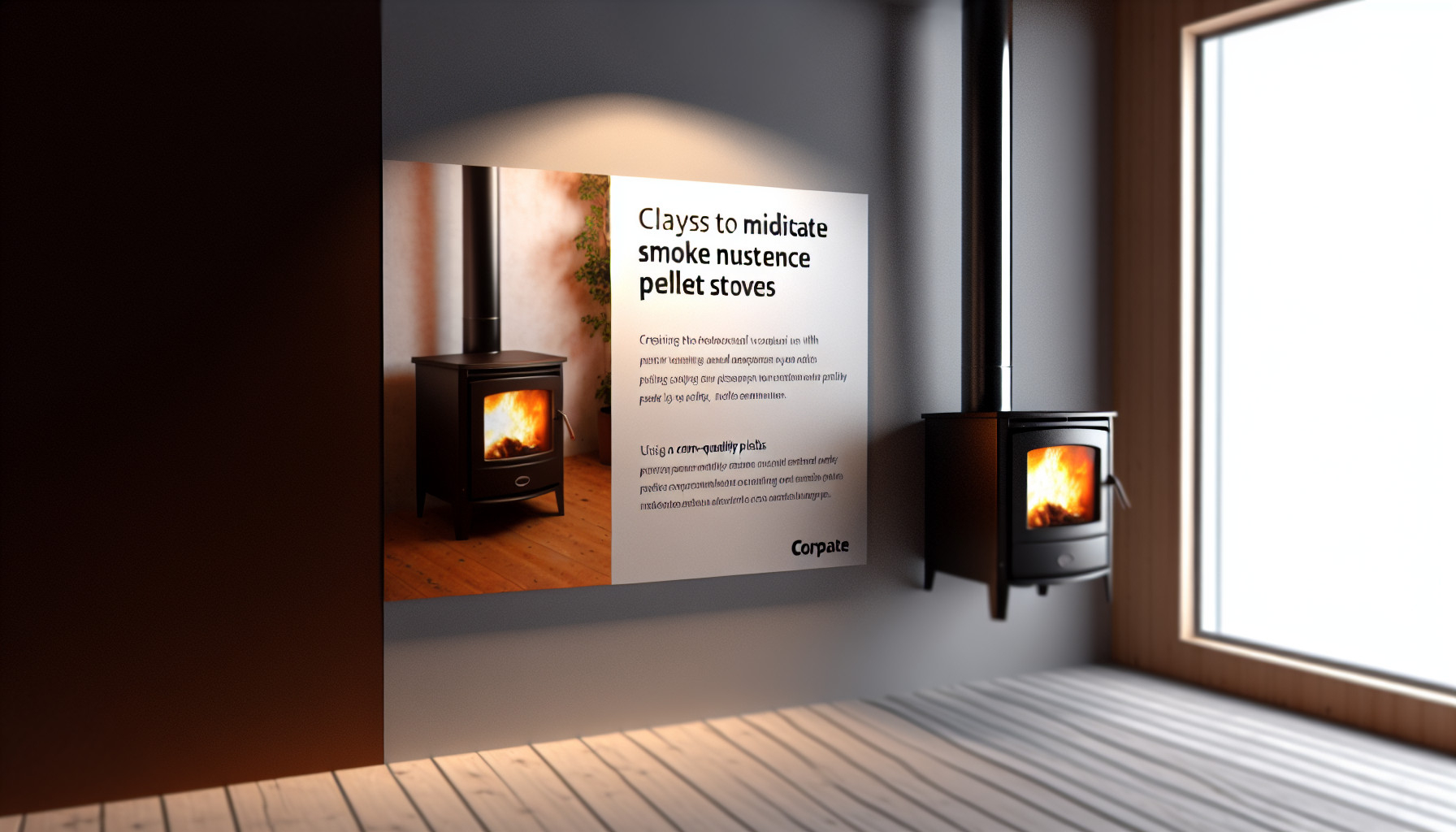
What is a pellet stove and how does it work?
A pellet stove is a heating system that burns wood pellets to generate heat. These pellets are pressed pellets made from wood waste. Combustion takes place in a closed system where air supply and smoke exhaust are controlled automatically.
Although modern pellet stoves burn relatively cleanly, there can still be some smoke, especially if misused or inadequately maintained. This can lead to smoke and odour nuisance for local residents.
Causes of smoke nuisance from pellet stoves
- Poor installation: An incorrectly positioned or too low chimney cannot discharge smoke properly.
- Poor maintenance: Dirty burners or filters cause incomplete combustion.
- Low-quality pellets: Cheap or damp pellets produce more smoke and odour.
- Incorrect settings: Too low a combustion temperature leads to soot formation and smoke.
What can you do about smoke pollution from a pellet stove?
When you suffer from the smoke or smell of a pellet stove, there are several steps you can take:
1. Engage with the owner of the stove
Neighbour nuisance caused by a pellet stove can often be resolved by mutual agreement. Explain calmly what you are experiencing and ask if they are willing to have their installation or usage checked.
2. Check the regulations in your municipality
Some municipalities have stricter rules regarding wood burning and pellet stoves. Check with your municipality for local regulations on wood smoke nuisance. In some cases, compliance with certain emission standards is mandatory.
3. Report the nuisance to the environmental department or GGD
If the conversation produces nothing and the nuisance persists, you can contact the environmental department or GGD. They can take measurements and mediate between parties.
4. Seek legal help in case of serious nuisance
Persistent smoke nuisance caused by neighbour's pellet stove may qualify as unlawful nuisance under the Civil Code (Article 5:37 of the Civil Code). In that case, you can consider legal action.
Measures for owners to prevent nuisance
Do you own a pellet stove yourself? If so, there's a lot you can do to smoke and odour nuisance for neighbours prevent:
- Choose a certified stove (Ecodesign): These meet the most stringent emission standards.
- Ensure professional installation: Have the stove installed by a recognised installer who will take into account height and location of the flue.
- Place the flue high enough: At least 1 metre above roof level prevents smoke from lingering between houses.
- Use quality pellets: Choose ENplus-certified pellets with low moisture content.
- Perform regular maintenance: Have a mechanic come annually for cleaning and adjustment.
Ready for sustainable heating? Buy your pellet stove here.
Pellet stoves Gamma
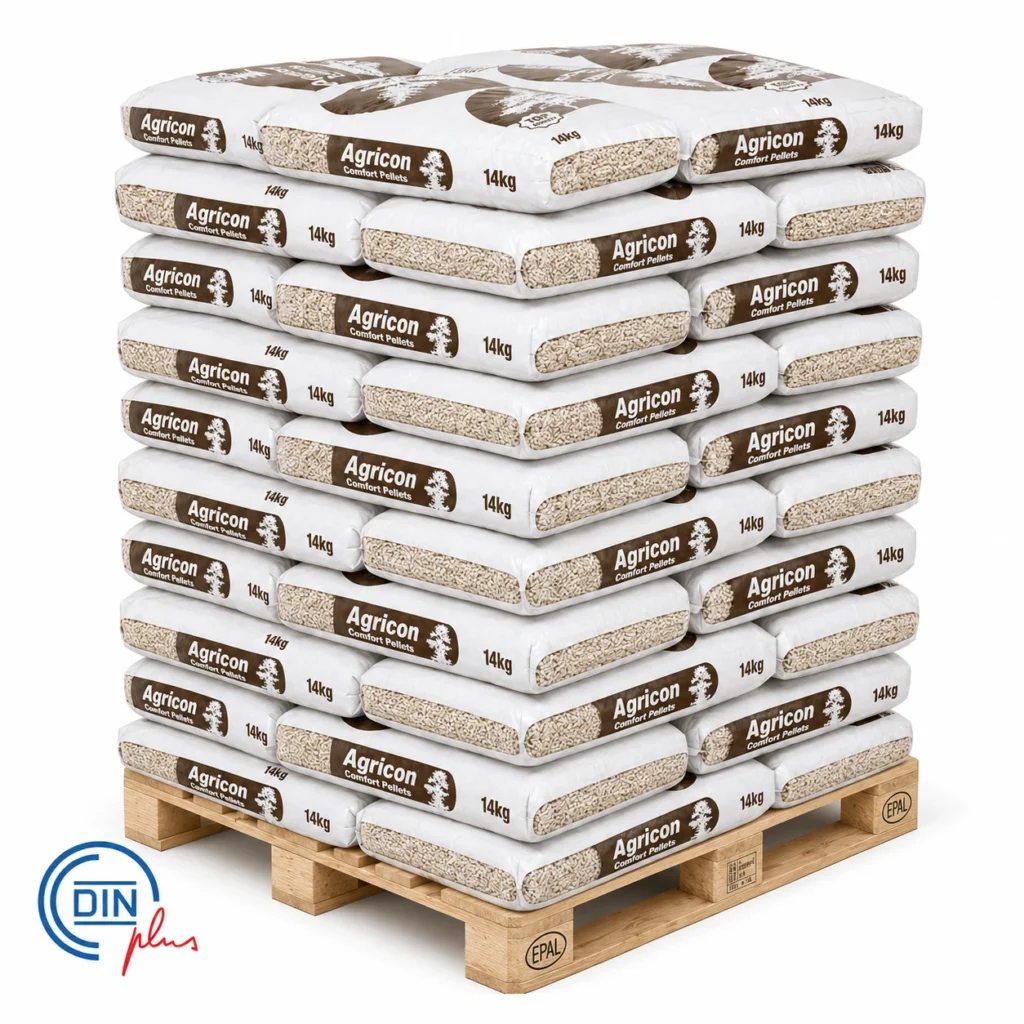
Agricon Comfort Pellets – full pallet – DINplus – 6mm
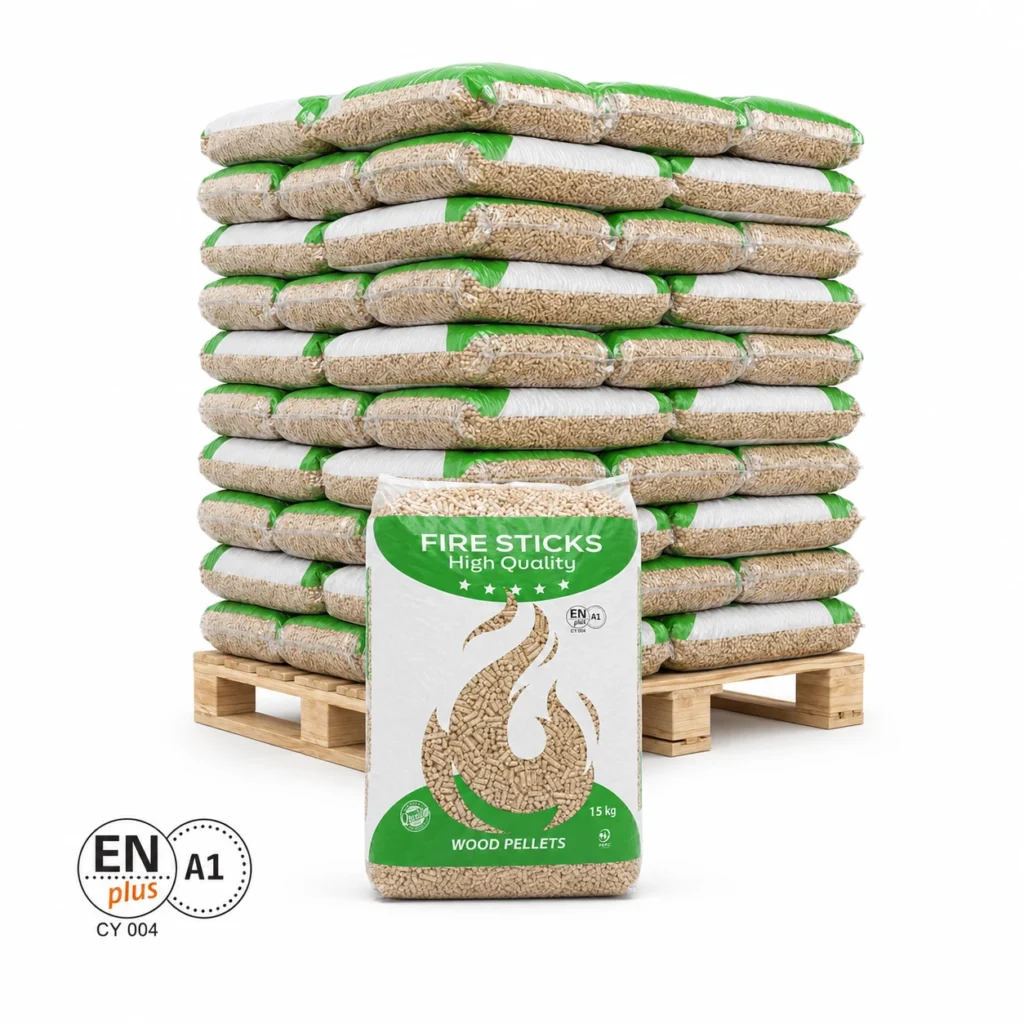
Price range: €5.45 through €355.00Fire Sticks Pellets – full pallet – Enplus A1 – 6mm
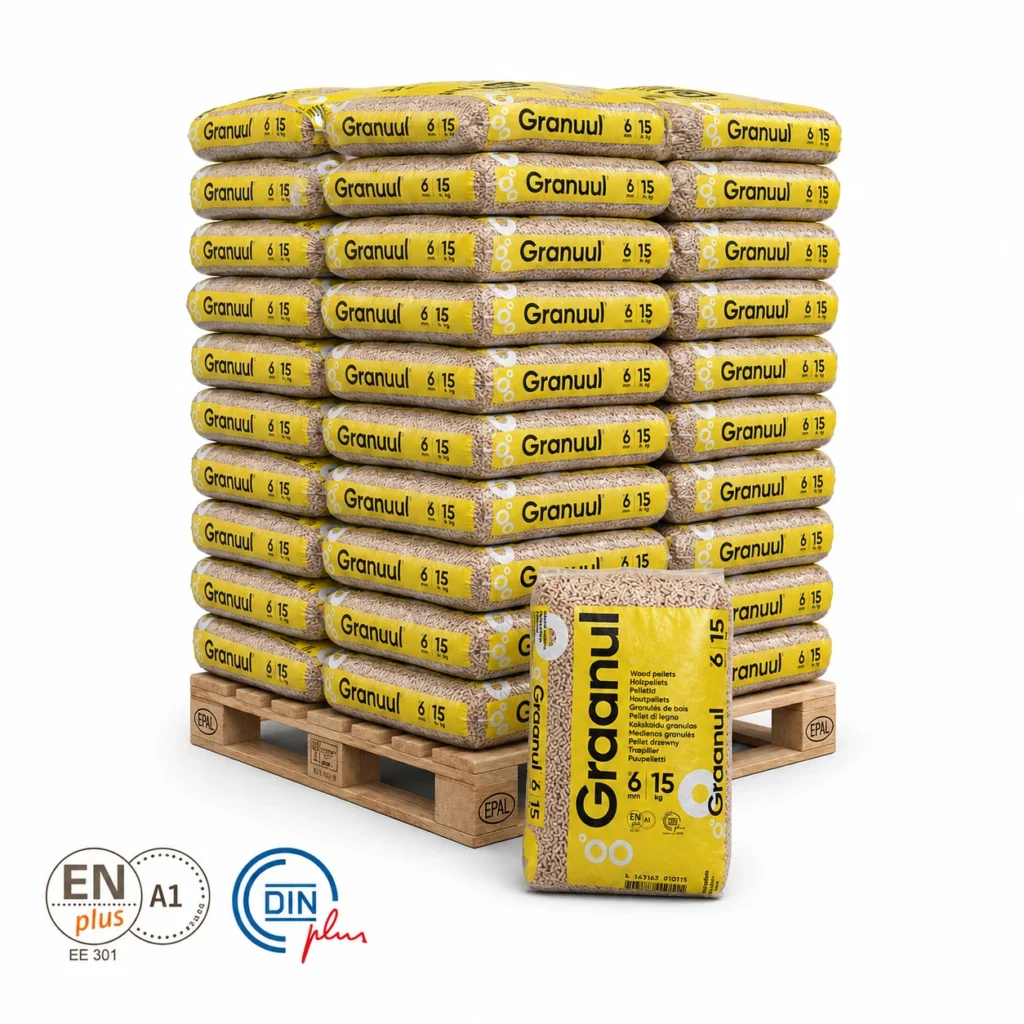
Price range: €6.30 through €409.50Graanul Pellets – full pallet – Enplus A1 – 6mm
Price range: €6.60 through €429.00
Existing laws and regulations surrounding wood burning and pellet stoves
The central government is working on stricter rules for wood burning because of health risks. Since January 2022, the Ecodesign Directive applies within Europe, which sets requirements for new wood and pellet stoves in terms of emissions and efficiency.
Moreover, municipalities can set additional rules through the zoning plan or general local bye-law (APV). For example, in some districts, fires are not allowed during windless weather because of smog formation.
Better heating: tips for responsible use of a pellet stove
Contribute to cleaner air as well as good neighbourly relations with these tips:
- Watch the heating alert: Via RIVM you can see when heating is advised against due to weather conditions (RIVM heating alert).
- Ensure adequate draft in the flue: This prevents recoil of smoke downwards.
- Do not put the stove on low power: This leads to incomplete combustion and more emissions.
- Fit a particulate filter: This significantly reduces emissions, especially in older models without automatic control.
Possible alternatives for heating without smoke
Thinking about alternatives that don't produce smoke? Then consider these options:
- Heat pump systems: fully electric, no emissions or odour nuisance.
- Infrared panels: local heating without air movement or emissions.
- Solar water heaters: harness solar energy to heat water without fossil fuels.
Soon to be mandatory: particulate filters on wood and pellet stoves?
More stringent requirements are expected to be introduced for existing plants. There is talk of mandatory particulate filters for older appliances. This could reduce emissions by as much as 80% (source: Milieu Centraal). So keep a close eye on future regulations as a user and as a neighbour!
Working together for cleaner air and fewer nuisances
Living together also means being considerate of each other. Whether you are a user of a pellet stove or are bothered by neighbours who fire: communication is essential. Through conscious use, good technology and open dialogue, many problems can be prevented. Together, we can ensure healthy air and good neighbourly relations!
Frequently asked questions (FAQ) - What can you do about smoke pollution from pellet stoves?
1. Is smoke from a pellet stove harmful?
Yes, like other forms of wood burning, a pellet stove produces particulate matter, carbon monoxide and other pollutants that can cause health problems with prolonged exposure.
2. Can I just install a pellet stove?
No, rules apply from the Building Decree and European Ecodesign directives. Installation must comply with safety standards and may not cause nuisance to neighbours according to the Civil Code (Article 5:37).
3. What can I do if my neighbours keep firing despite complaints?
First, file a complaint with the municipality or environmental department. In case of severe nuisance, you can take legal action through civil law for unlawful nuisance.
4. What filters exist against particulate emissions?
Both electrostatic filters and ceramic catalysts can drastically reduce particulate emissions. Get advice from an approved installer on retrofit solutions for your appliance.
5. How do I know when firing is discouraged?
Check the RIVM Stookalert (rivm.nl/smokealert) to see when weather conditions are unfavourable for wood fires due to smog risk or wind chill.
Recommended external sources (check manually):
- Milieu Centraal - Wood and pellet stoves
- Central government - Wood smoke & Health
- RIVM - Stookalert Nederland
Pallet supplier nearby?
Wood pellets are easily available in our online shop, delivery in Belgium & Netherlands
Wood pellets Gamma
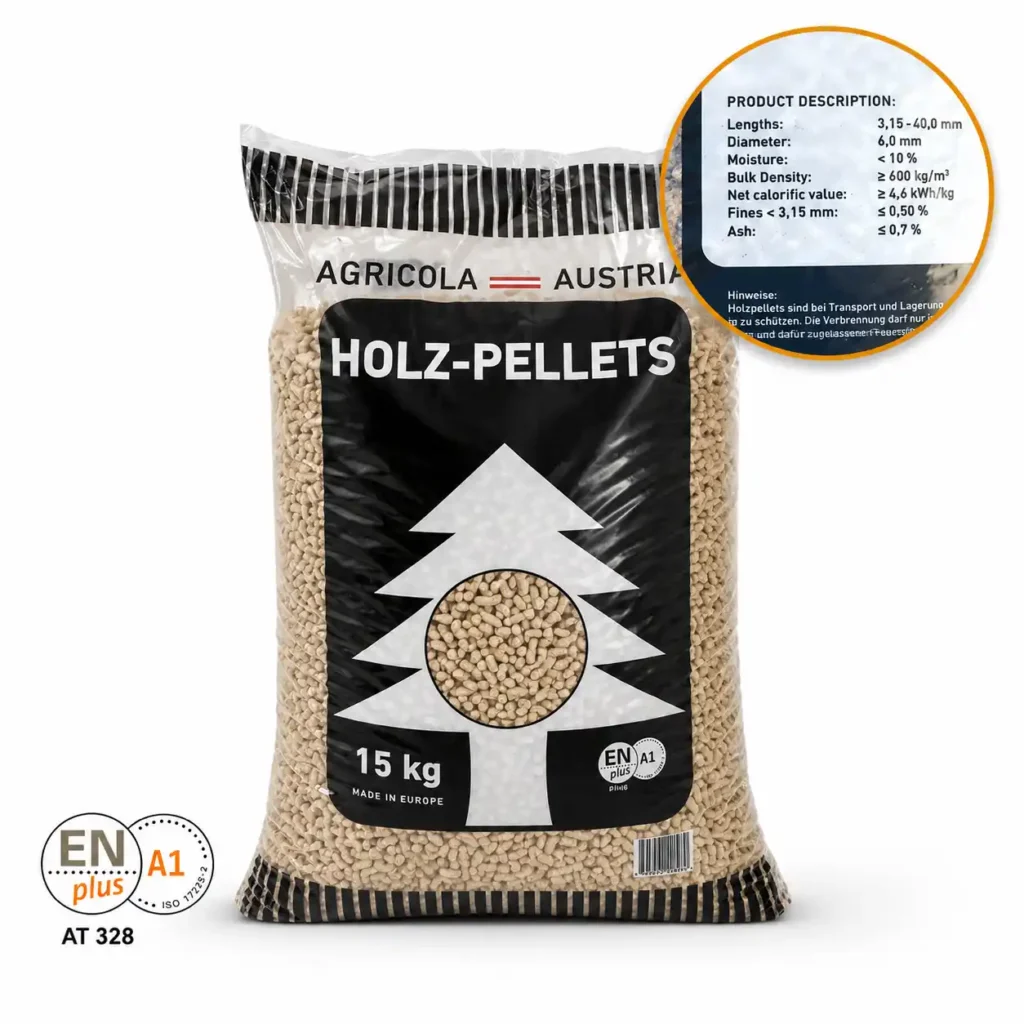
Agricola Pellets Bag 15kg - Enplus A1 - 6mm
Original price was: €7.10.€6.70Current price is: €6.70.
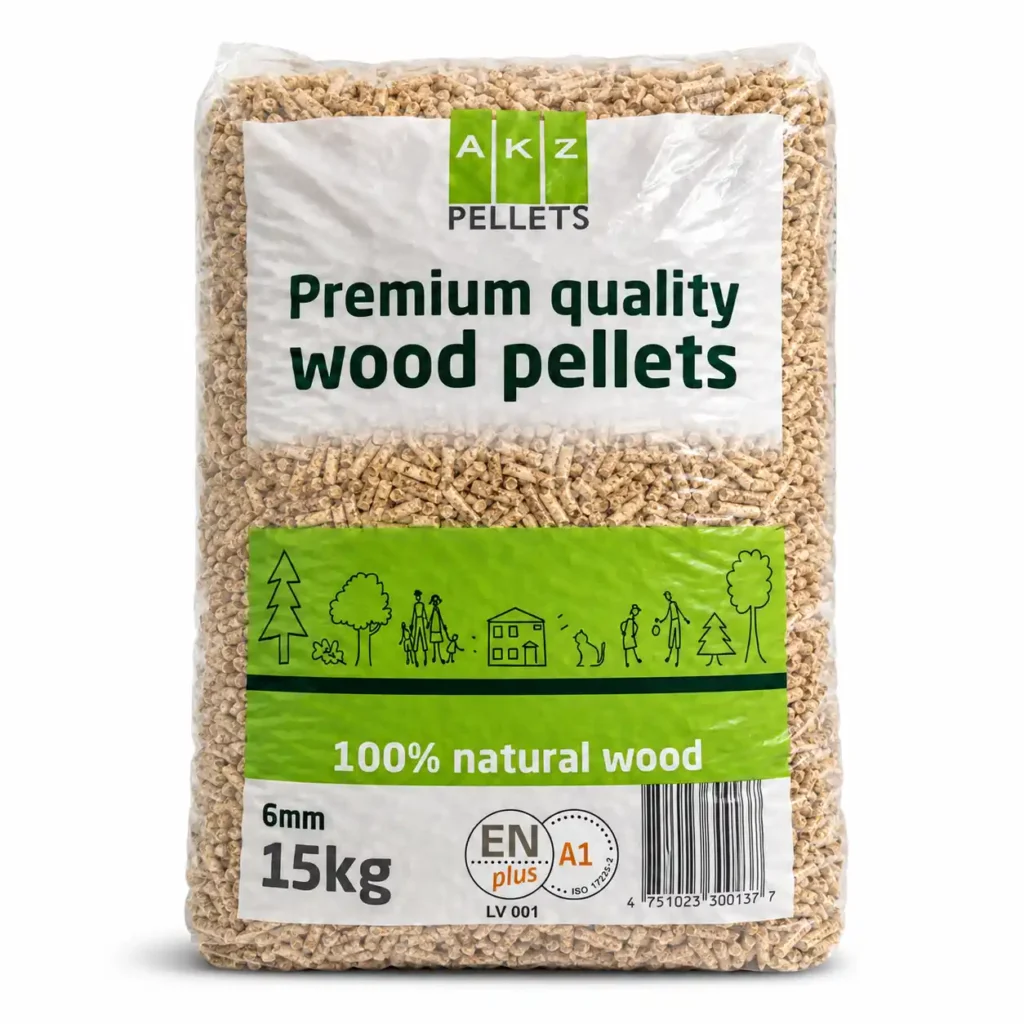
AKZ Premium Pellets Bag 15kg - Enplus A1 - 6mm
€7.00
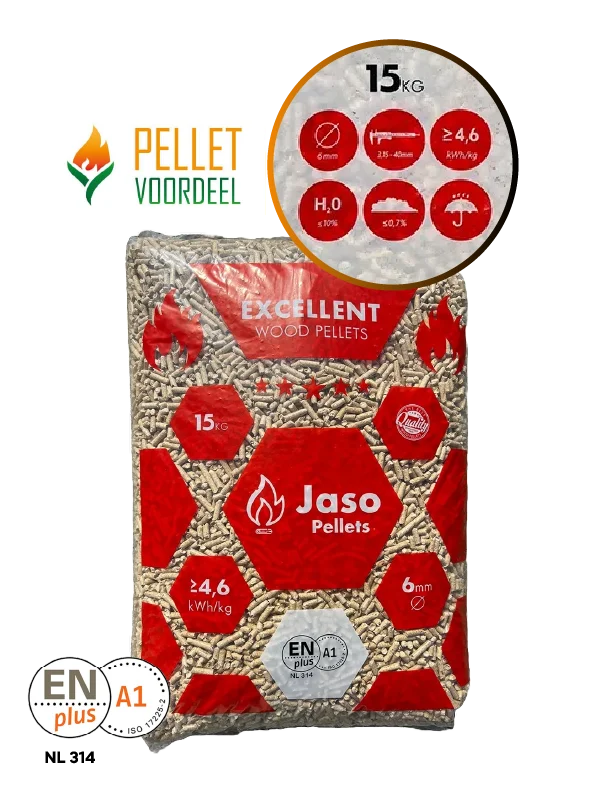
Jaso Pellets Bag 15kg - Enplus A1 - 6mm
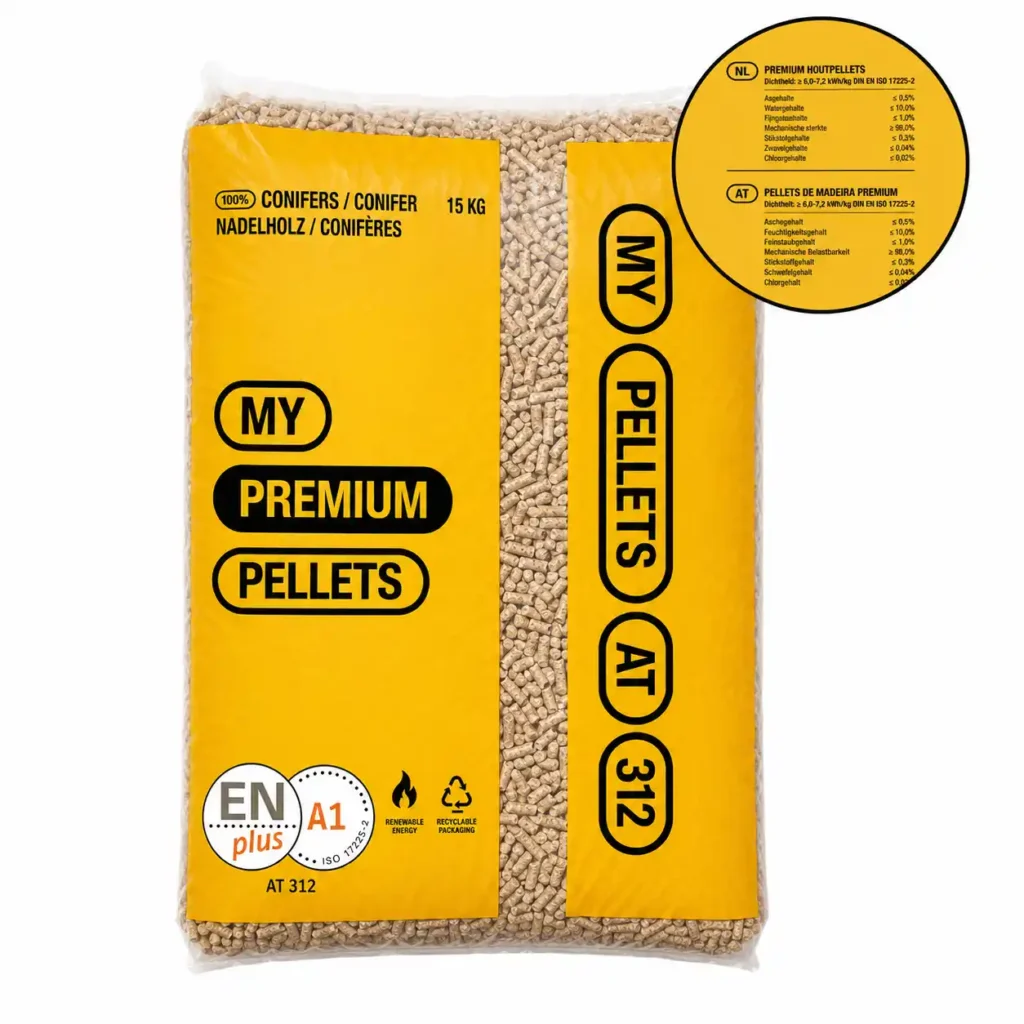
€6.50My Premium Pellets Bag 15kg - Enplus A1 - 6mm
Original price was: €7.00.€6.60Current price is: €6.60.